Louisville’s economy is undergoing a historic transformation. On one side, large corporations and logistics firms are pursuing “lights-out” automation—deploying artificial intelligence (AI), autonomous systems, and algorithmic logistics to drive efficiency. This trend is reshaping many white-collar and routine jobs, making them increasingly automated and less dependent on human labor.
Yet alongside this technological shift, a powerful renaissance of human-centric labor is emerging—anchored in sectors that machines can’t replicate. Among these, the beauty, wellness, and personal care industries stand out as resilient, rewarding, and fundamentally human.
Why the Beauty Industry Is AI-Proof
Unlike data-driven tasks that can be executed by algorithms or automated machines, beauty services are rooted in human connection, empathy, and tactile skill:
- Human Touch Is Irreplaceable: A haircut, facial, massage, or aesthetic service involves nuanced physical dexterity and a personal interaction that AI can’t authentically reproduce.
- Psychology and Wellness: Beauty services release oxytocin—a hormone associated with trust and well-being—something no machine can deliver.
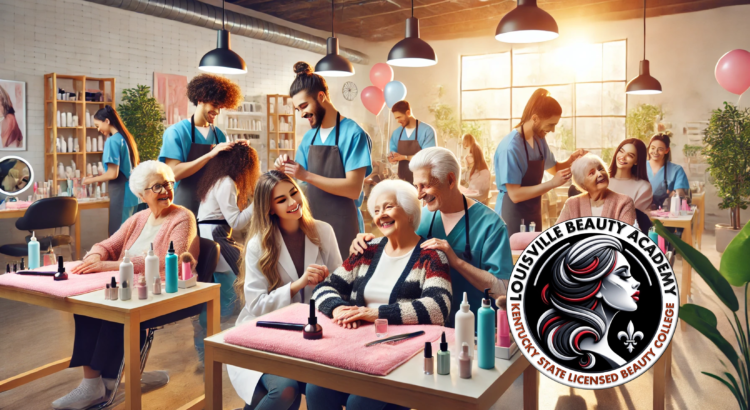
- Community and Mental Health: Salons and spas are more than service centers—they are social hubs where clients find conversation, confidence, reassurance, and human care that counters stress and isolation.
This combination of physical skill, emotional intelligence, and social connection makes beauty professionals among the most robustly future-proof careers in the AI era.
Beauty as Preventive Health and Wellness
The beauty industry isn’t just about aesthetics. It plays a preventative role in health and wellness:
- Well-being Through Care: Routine skin care, massage, and grooming contribute to mental and physical health by reducing stress, enhancing self-esteem, and promoting personal hygiene.
- Human Interaction Matters: In an age of increasing loneliness and digital overload, beauty professionals provide meaningful human engagement that algorithms cannot replace.
- Bridging Beauty and Health: With training in modalities such as esthetics and wellness treatments, beauty professionals operate at the intersection of beauty, mental well-being, and holistic care, making their roles not just desirable—but essential.
The “Human-as-Luxury” Trend
As automation expands across corporate and logistical sectors, people are rediscovering the value of high-touch human experiences. This phenomenon, described in economic research as the “Human-as-Luxury” trend, means consumers will pay a premium for authentic human care that technology can’t imitate.
Beauty services are inherently human—they require interpretation, adaptability, trust, and personal artistry. For clients, these services are not transactions; they are transformative experiences.
Your Future in Beauty Starts Here
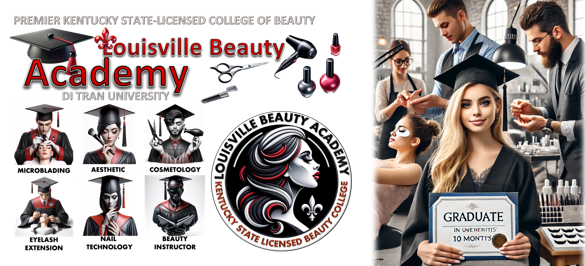
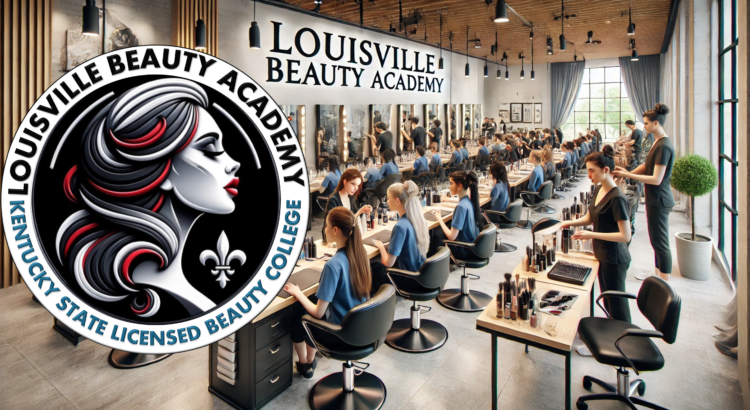
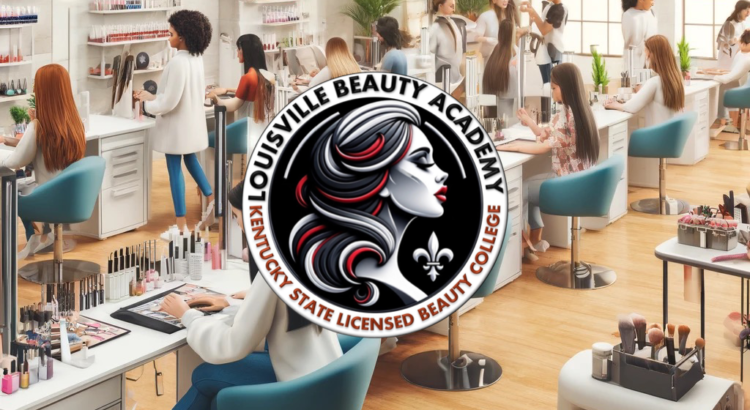
At Louisville Beauty Academy, we prepare students for careers that are resilient, rewarding, and rooted in human connection.
- AI-Proof Skills: Beauty professionals rely on empathy, creativity, and fine motor skills, all of which are extremely difficult for machines to replicate.
- Wellness and Holistic Care: Training goes beyond technique—it includes understanding how beauty services contribute to mental wellness and preventive health.
- Immediate Earning Potential: Unlike traditional four-year degrees, beauty training puts you into the workforce quickly with real earning power.
- Community Impact: Graduates do more than build careers—they build confidence, wellbeing, and human connection in every client they serve.
Conclusion: Human Skills Won’t Go Out of Style
In a world increasingly dominated by automation, the value of human-centric labor rises. The beauty industry is a clear example of this shift—not just surviving the AI revolution but flourishing because it is fundamentally human.
People will always seek care, confidence, connection, and self-expression. At Louisville Beauty Academy, we celebrate this truth and prepare our students to thrive in a future where human skills are the most valuable currency of all.