LOUISVILLE, KENTUCKY · SEPTEMBER 30, 2026
A day of listening, gratitude, and renewed responsibility to serve.
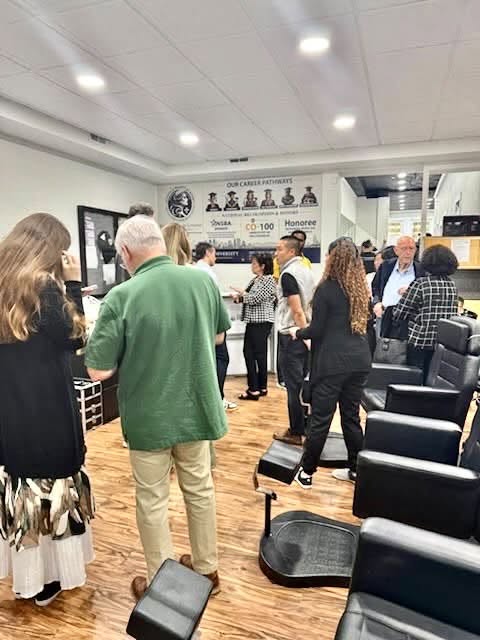
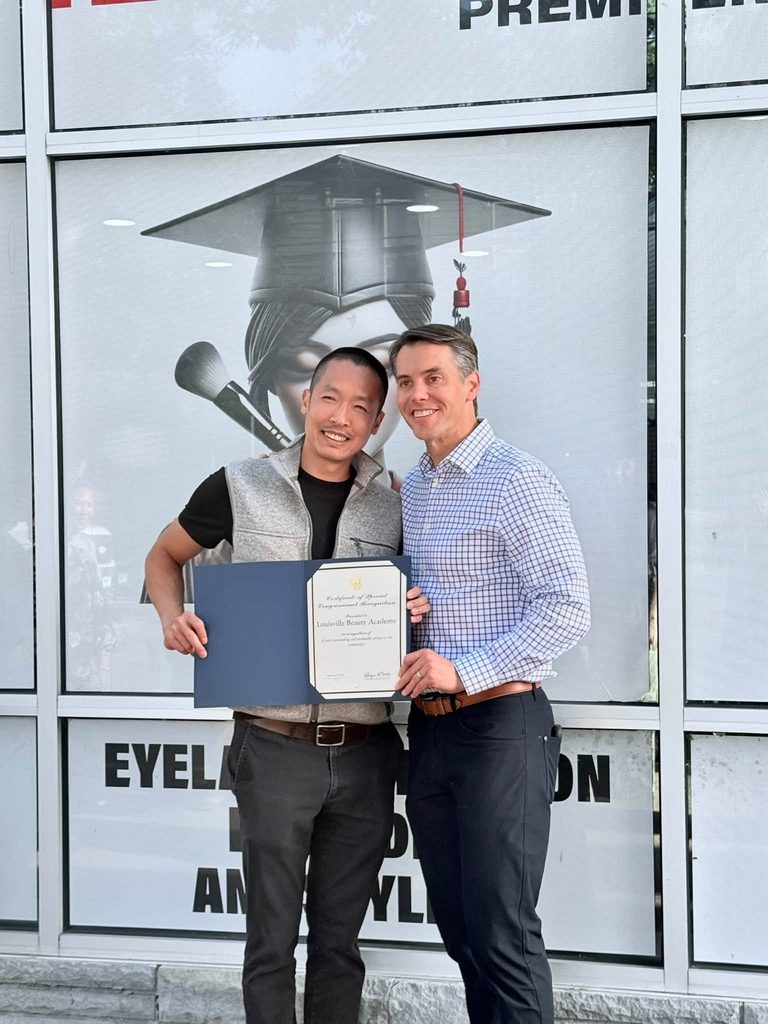
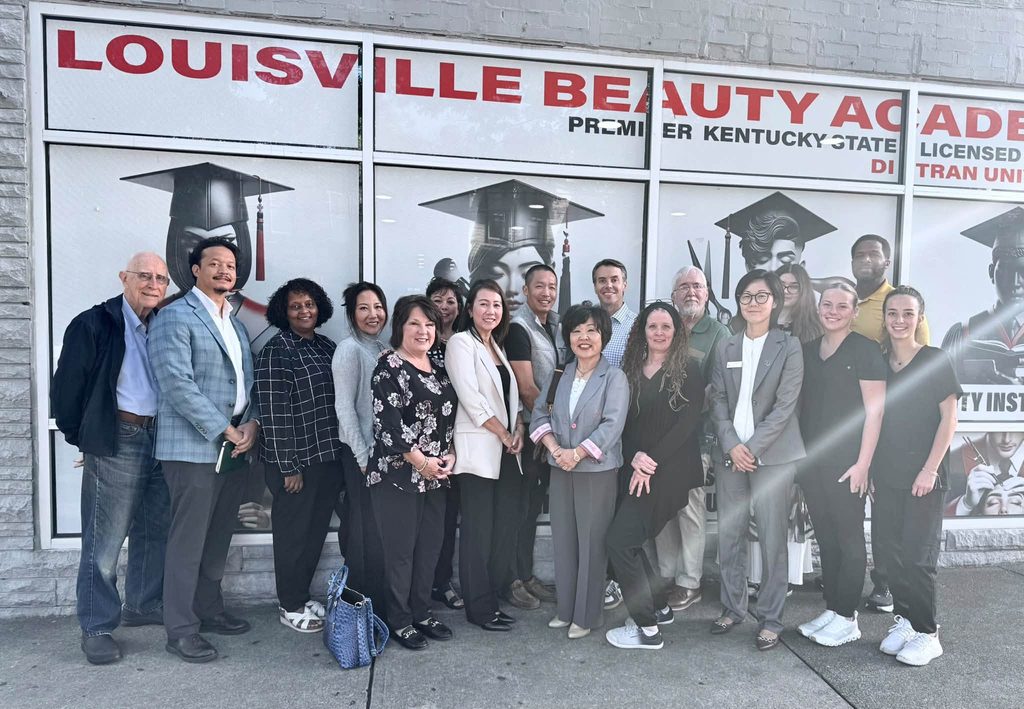
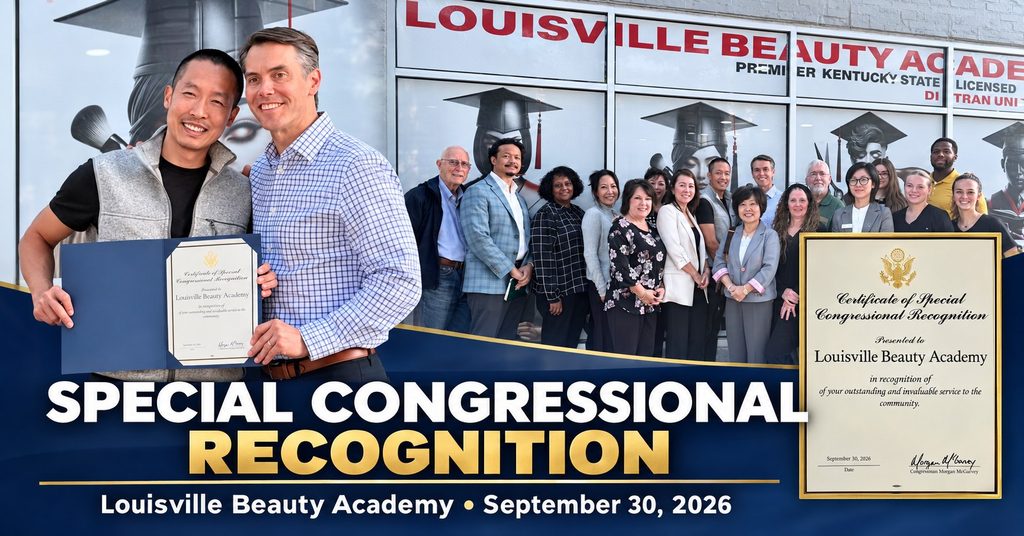
Louisville Beauty Academy welcomed Congressman Morgan McGarvey, who represents Kentucky’s Third Congressional District, and members of his team for a nonpartisan workforce-education listening visit on September 30, 2026.
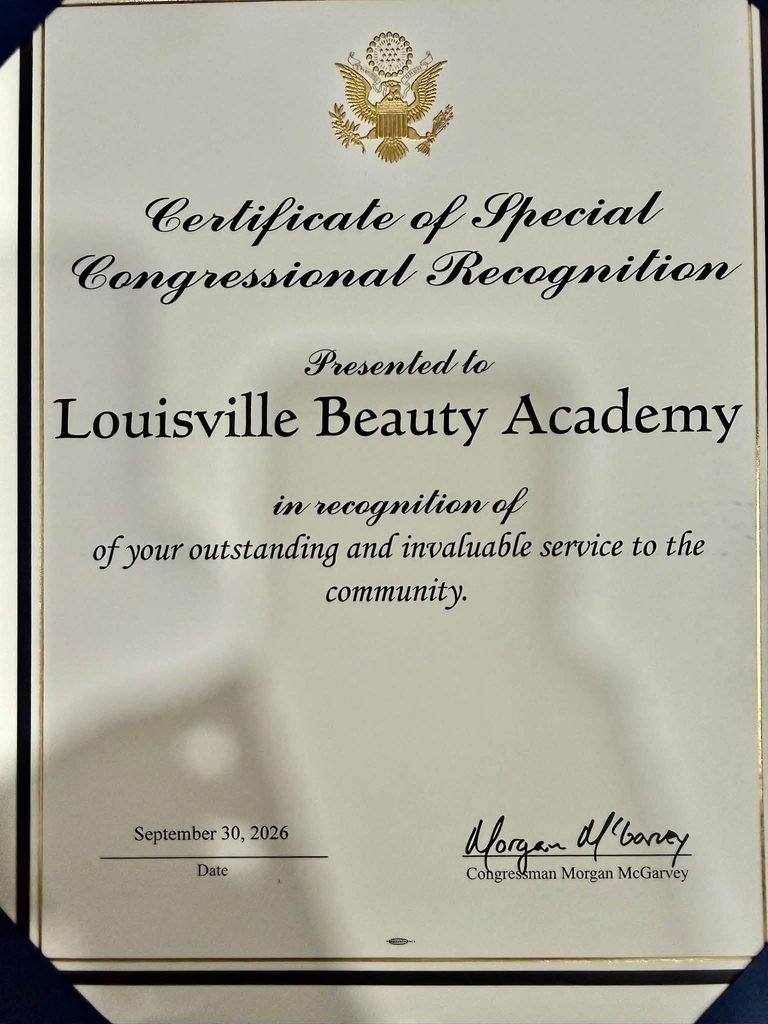
During the visit, Congressman McGarvey presented Louisville Beauty Academy with a Certificate of Special Congressional Recognition stating that it was given:
“in recognition of your outstanding and invaluable service to the community.”
The certificate is dated September 30, 2026, and signed by Congressman Morgan McGarvey. LBA receives it with humility—not as a finish line, but as a responsibility to keep serving students, families, licensed professionals, small businesses, and the Louisville community.
A listening visit centered on people and practical opportunity
The conversation brought together LBA team members and community participants to discuss practical Beauty Education and workforce access. Topics included affordability, state licensure, safety and sanitation, multilingual and working-adult access, small-business and entrepreneurship pathways, and the responsible use of human-supervised technology in regulated education.
LBA’s purpose was simple: offer a real Louisville example, listen carefully, and help public leaders understand both the opportunity and the complexity of short-term, state-licensed career education. No policy agreement, grant decision, regulatory outcome, or other commitment is claimed in this article.
Service before recognition
Recognition matters because it reflects the daily work of people: students who continue through fear and difficulty; educators who teach safety, sanitation, skill, and professional responsibility; families who support a learner’s next step; graduates who enter licensed work; and community members who believe practical education can open doors.
Louisville Beauty Academy is grateful to Congressman McGarvey and his team for visiting, listening, and recognizing service to the community. We are equally grateful to every person who joined the conversation and every learner, graduate, educator, client, and partner whose work gives that service meaning.
A clear factual record
- The September 30, 2026 certificate is a dated Certificate of Special Congressional Recognition presented to Louisville Beauty Academy.
- It follows a separate certificate dated October 29, 2025. LBA records these as two distinct, dated recognitions.
- The September 30 event was a nonpartisan listening visit—not a campaign event or fundraiser.
- The visit and certificate do not imply endorsement of LBA, agreement with every statement made, partnership, funding, regulatory approval, or support for a particular policy proposal.
- No private student records or individual educational outcomes are disclosed in this article.
Our commitment continues
LBA will continue working to make state-licensed Beauty Education practical, transparent, human-centered, and connected to real work. The standard remains the same: evidence before claims, people before systems, and service before recognition.
Public-information and compliance note: Louisville Beauty Academy is a Kentucky state-licensed Beauty Education institution. This article is an institutional news record, not legal advice, a campaign communication, an endorsement, an enrollment guarantee, a funding announcement, or a representation of any government office’s policy position. Current law, official licensing requirements, LBA’s current written policies, and each student’s signed enrollment documents control over general website content.