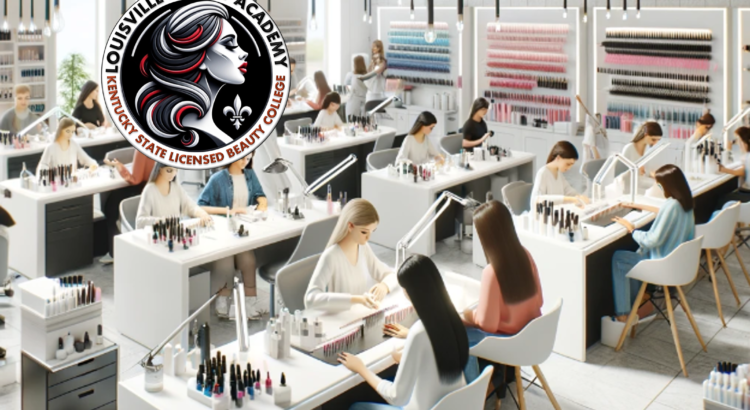
Dip Nails vs. Acrylic Nails: The Battle of Artificial Nails

Introduction

In the world of beauty and self-expression, artificial nails have become a popular choice for individuals looking to enhance their nail aesthetics. Two of the most prevalent options in the artificial nail industry are dip nails and acrylic nails. While both offer stunning results, they have their unique sets of pros and cons, catering to different customer preferences. In this article, we will delve into the key differences between dip nails and acrylic nails, exploring their impact on the industry and customer preferences, as well as their income potential for nail technicians.

Dip Nails: The Pros and Cons

Dip nails, also known as SNS (Signature Nail Systems) or powder nails, have gained immense popularity in recent years. They offer several advantages:

Pros:

  1. Durability: Dip nails are renowned for their durability and longevity. They can last for several weeks without chipping or fading, making them ideal for clients with active lifestyles.
  2. Healthier Option: Dip nails are often considered a healthier alternative to acrylics, as they do not require the use of harsh chemicals like liquid monomers. Instead, they are applied using a bonding resin and colored powder.
  3. Odorless Application: Unlike acrylic nails, dip nails do not emit strong odors during the application process, making them a more pleasant experience for both clients and nail technicians.
  4. Versatile Designs: Dip nails come in an array of colors and can be customized with various designs, including ombre, glitter, and French tips.

However, dip nails also have their drawbacks:

Cons:

  1. Limited Repairs: Dip nails can be challenging to repair if they break or chip. Fixing them often requires professional intervention, potentially inconveniencing clients.
  2. Removal Process: The removal process for dip nails involves soaking them in acetone, which can be time-consuming and potentially damaging if not done correctly.
  3. Initial Investment: Nail technicians may need to invest in specialized equipment and products for dip nail applications, which can be cost-prohibitive for some.

Acrylic Nails: The Pros and Cons

Acrylic nails have been a staple in the artificial nail industry for decades and continue to be a popular choice among clients.

Pros:

  1. Strength and Flexibility: Acrylic nails are known for their strength and flexibility, making them less prone to breakage.
  2. Versatility: Acrylics offer endless possibilities for nail designs, including 3D nail art, sculpted nails, and intricate designs.
  3. Easy Repairs: If acrylic nails break or chip, they can often be easily repaired by a skilled nail technician.
  4. Cost-Effective: Acrylic nails are typically more affordable than dip nails in terms of initial investment for nail technicians.

However, acrylic nails also come with their set of cons:

Cons:

  1. Strong Odor: The liquid monomer used in acrylic nail applications emits a strong odor that can be unpleasant for both clients and nail technicians.
  2. Potential Damage: Improperly applied or removed acrylic nails can damage the natural nails, leading to thinning or weakening.
  3. Shorter Lifespan: Acrylic nails may not last as long as dip nails, requiring more frequent salon visits for maintenance.

Customer Preference and Income Potential

Customer preferences in the artificial nail industry often depend on individual needs and priorities. Some customers prioritize durability and a healthier application process, making dip nails their preferred choice. Others may prioritize intricate designs and versatility, favoring acrylic nails.

Nail technicians who offer both dip and acrylic nail services can attract a broader clientele and increase their income potential. Offering a variety of options allows nail technicians to cater to the diverse tastes and needs of their customers, ultimately boosting their revenue.

Conclusion

The dip nails vs. acrylic nails debate continues to thrive in the artificial nail industry, with both options offering distinct advantages and drawbacks. Ultimately, customer preference plays a significant role in determining which option prevails, and nail technicians who can offer both have the opportunity to thrive in this dynamic industry. Whether it’s dip nails or acrylic nails, the choice comes down to individual tastes, lifestyles, and priorities, ensuring that the artificial nail industry remains a vibrant and evolving sector within the beauty and self-care realm.

Louisville Beauty Academy - Nail Technology

Who is a Nail Technician?

A nail technician is a skilled professional who specializes in the care of hands and feet, specifically in treating and beautifying nails. Their responsibilities include:

  • Manicures and Pedicures: Cleaning, shaping, and beautifying fingernails and toenails.
  • Nail Extensions and Overlays: Applying artificial nail techniques like acrylics, gel nails, and silk wraps.
  • Nail Art: Creating designs on nails using various techniques and materials.
  • Client Consultation: Assessing client’s nail health, discussing desired outcomes, and providing advice on nail care and products.

Licensing and Training Requirements

In most regions, becoming a licensed nail technician requires:

  1. Completion of a Cosmetology or Nail Technician Program: These programs, offered at vocational schools or community colleges, typically cover topics such as nail anatomy, disorders, sanitation, and various nail care techniques.
  2. State Licensing Exam: After completing an accredited program, candidates must pass a state licensing exam, which usually consists of both a written and practical component.
  3. Continuing Education: To maintain their license, nail technicians may need to complete continuing education courses.

Making Money in Nail Technology

Nail technicians can earn income through various avenues:

  • Working in Salons or Spas: Many nail technicians work in beauty salons or spas, either as employees or renting a booth space.
  • Freelance Services: Offering services independently to clients at their homes or in a personal studio.
  • Specialized Services: Focusing on high-demand services like elaborate nail art or premium nail care treatments.
  • Teaching and Training: Experienced technicians can become educators in beauty schools.

Earnings Potential

The earnings for nail technicians vary based on factors like location, experience, and services offered. For instance:

  • Basic Manicure or Pedicure: May range from $15 to $50.
  • Nail Extensions or Elaborate Nail Art: Can cost upwards of $60 to $100+ per session.

Is Nail Technology Right for You?

To determine if a career in nail technology is a good fit, consider:

  • Passion for Beauty and Creativity: An interest in fashion, beauty, and artistic design is crucial.
  • Interpersonal Skills: Being sociable and able to comfortably interact with clients is important.
  • Attention to Detail: Precision and a meticulous approach are key in this field.
  • Patience and Dexterity: Working with small tools and detailed designs requires steady hands and patience.

Conclusion

Nail Technology is a vibrant and creative field offering various opportunities for those passionate about beauty and personal care. With the right training, licensing, and skill set, it can be a rewarding and lucrative career choice.

Understanding Sanitization and Disinfection in the Beauty Industry: A Guide for Best Practices

The beauty industry is a sphere where cleanliness and hygiene are not just about aesthetics; they are imperative for safety and health. Professionals within this field must understand the distinct roles of sanitization and disinfection to maintain a safe environment for their clients. Here we explore these concepts, emphasizing their definitions and the levels of safety they afford.

Sanitization: Ensuring Hand Hygiene Sanitization is the process of cleaning surfaces or hands to reduce the number of bacteria present by 99.9%. This level of cleanliness is generally considered safe by public health standards for routine human contact. When it comes to hand hygiene, hand sanitizers are an effective form of sanitization, especially when traditional soap and water are unavailable. These products are quick-acting and can significantly diminish the presence of pathogens on the skin.

Disinfection: Securing a Germ-Free Environment Disinfection takes germ control a step further by killing or inactivating virtually all microorganisms on a surface, not just bacteria but also viruses and fungi. Disinfectants are subject to stringent EPA regulations, and they are pivotal for treating high-touch and high-risk surfaces in salons, such as tools, workstations, and chairs. These products are required to achieve a germ kill rate of 99.999%, making them more robust in curbing the spread of infection.

For the beauty industry, particularly in cosmetology, the differentiation between sanitization and disinfection is not just a matter of semantics but of operational importance. According to guidelines used for the Professional Standards International (PSI) national examination, which is adopted by the Kentucky State Board of Cosmetology among others, sanitization refers exclusively to hand hygiene. Every other form of microbial control, particularly concerning equipment and tools, falls under the umbrella of disinfection.

The Importance of Following Specific Protocols In practice, this means that after each client, professionals must disinfect all non-disposable tools and workspaces. These strict protocols are in place to prevent the transfer of infectious agents and ensure that every patron enjoys a safe salon experience. The distinction also highlights the elevated responsibility placed on disinfecting procedures to uphold industry standards.

Staying Informed and Compliant It is crucial to note that regulations and definitions of sanitization and disinfection can vary by state or country. Professionals are encouraged to stay informed and comply with their local health department’s requirements and the specific laws governing their practice.

Disclaimer The information provided herein is for educational purposes only and is based on the PSI national examination standards referenced by the Kentucky State Board of Cosmetology. It is not exhaustive and should not be construed as legal advice. Standards and regulations can change, and they differ from one jurisdiction to another. It is the responsibility of each beauty industry professional to stay current with the laws and guidelines set forth by their state’s regulatory board. Always consult your local health department or state board for the most accurate and up-to-date information regarding sanitation and disinfection practices.

Louisville Beauty Academy - Hard Working Individual

I Am Possible: Antonia Choate-Whitmore’s Journey in Nail Technology at Louisville Beauty Academy

Introduction

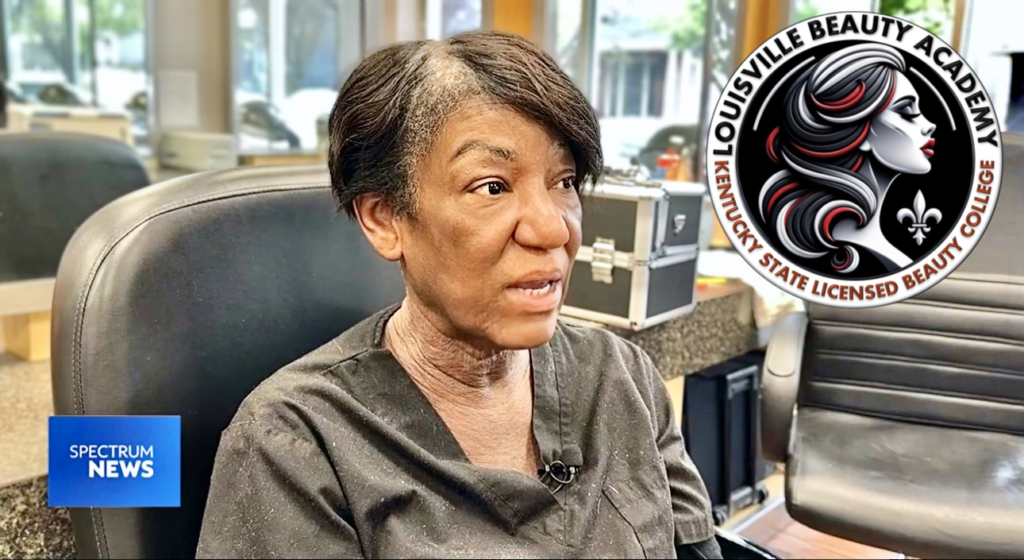
Louisville Beauty Academy stands as a beacon of inspiration and transformation in the field of beauty education, aiming to elevate individuals at every level and create a nurturing environment that fosters creativity, support, and comprehensive learning. Antonia Choate-Whitmore, a 27-year-old Nail Technology student at the academy, is the epitome of what the institution stands for. Her story is a testament to the power of hard work, positivity, and relentless pursuit of one’s dreams, even in the face of adversity.

Antonia’s Background: A Story of Determination

The youngest of three siblings, Antonia has been raised by her single mother, a hardworking woman who has been a constant source of inspiration and support for her. Antonia, too, has been working tirelessly, managing two jobs every week to help pay the bills and support her family. Despite her busy schedule, she found a way to pursue her passion for beauty at Louisville Beauty Academy, determined to obtain her Nail Technology license.

Embodying the School’s Mission

Louisville Beauty Academy prides itself on its mission to elevate individuals who are committed to bettering themselves and achieving excellence in the beauty industry. The academy provides a safe, creative, and supportive learning environment where students can explore various licensing programs, including Nail Technology, Cosmetology, Esthetics, Blow Dry and Styling, Eyelash Extension, and more. Antonia’s journey at the academy is a clear reflection of this mission.

“I want myself to be teachable, because I learned that’s what makes me happy and helps me grow. Learning keeps me humble,” shares Antonia. She believes in the power of maintaining a positive attitude, no matter the circumstances. “I write in my journal almost daily to keep myself thankful and stay positive, which is the energy I bring to all situations,” she adds. Antonia consciously chooses to amplify positivity through her actions, her infectious smile, and her energetic gaze, even in challenging situations.

Inspiring the Founder

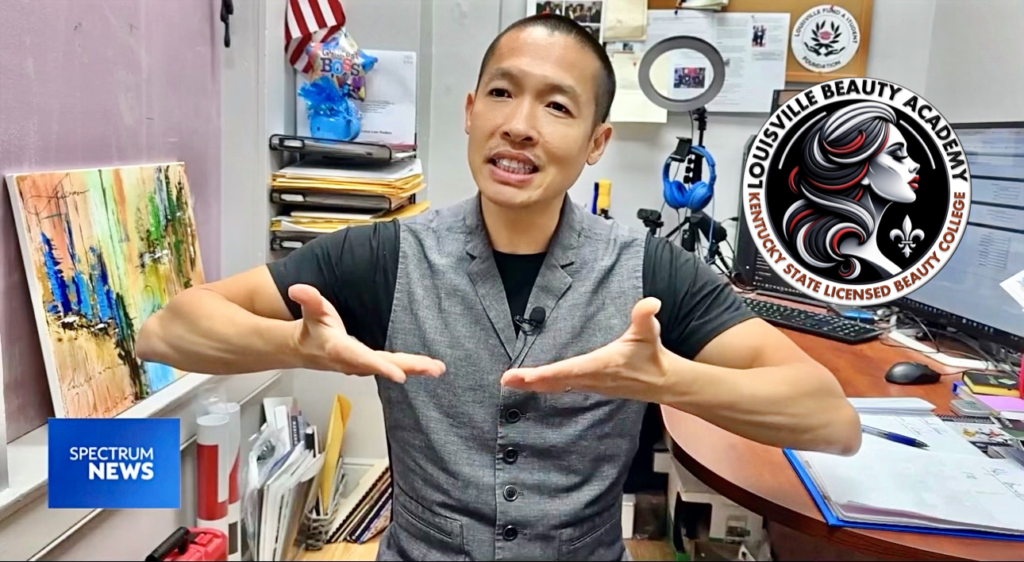
Di Tran, the founder of Louisville Beauty Academy, has been deeply impressed and inspired by Antonia’s journey and her ability to remain positive and focused despite her busy life. “She is a shining example of what hard work looks like, and she embodies the ‘I AM POSSIBLE’ mentality,” says Di Tran. He decided to feature Antonia in this article to highlight her story as a beacon of inspiration for others.

Conclusion

Antonia Choate-Whitmore’s journey is a powerful reminder that with hard work, positivity, and a supportive environment, anyone can achieve their dreams. Louisville Beauty Academy has been pivotal in her journey, providing her with the tools, knowledge, and encouragement she needs to succeed. Antonia’s story is not just a testament to her strength and determination; it is a shining example of the school’s commitment to elevating individuals and helping them achieve their fullest potential in the beauty industry.

Louisville Beauty Academy

Efficiency in Learning: The Secret Sauce of Louisville Beauty Academy’s Success

In the world of beauty and fashion, trends change with the seasons. But one thing remains constant: the need for a solid foundation of knowledge. At the heart of Louisville, Kentucky, stands a beacon of hope for many aspiring beauty professionals, the Louisville Beauty Academy (LBA). But what sets this institution apart isn’t just the expertly crafted curriculum or state-of-the-art facilities, but its commitment to optimized learning techniques.

Drawing inspiration from the transformative book, “7 Proven Strategies to Boost Your Learning Efficiency,” LBA has been able to successfully incorporate effective learning methods that center on active recall, testing, and exams as pivotal learning tools.

Why the Emphasis on Efficient Learning at LBA?

Louisville Beauty Academy serves a unique demographic. A majority of its students are immigrants, representing underprivileged populations. Many grapple with English as a foreign language, making traditional methods of learning slightly out of reach. Enter Di Tran, the founder, and CEO of LBA. His mission? To ensure that every student, regardless of their background, stands an equal chance of acing the Kentucky state licensing exam.

The Power of Practical Exams, Quizzes, and Tests

**1. Active Recall: Instead of merely consuming information, LBA encourages its students to actively retrieve it. Practical exams become more than just a test; they’re a dynamic form of learning where students recall and apply their knowledge, solidifying their skills.

**2. Regular Quizzing: Quizzes aren’t just a means to grade; at LBA, they’re powerful learning tools. Especially for students for whom English is a second language, regular quizzing in both theory and practical aspects aids in reinforcing knowledge and identifying areas that need further attention.

**3. Hands-on Testing: Given the nature of the beauty industry, LBA understands the significance of hands-on training. Regular practical tests allow students to perfect their techniques, gain confidence, and get one step closer to their dream careers.

Embracing the Dual Challenge: Theory and Practical

While the beauty industry demands practical skills, a robust theoretical foundation is equally critical. For foreign-born students, this poses a dual challenge. LBA, under Di Tran’s guidance, emphasizes both. Theory classes are tailored to be more inclusive, considering the diverse linguistic backgrounds of the students, while practical sessions ensure mastery of skills.

In Conclusion

The Louisville Beauty Academy isn’t just a beauty school. It’s a testament to the power of inclusivity, dedication, and the belief that with the right tools and methods, everyone can achieve their dreams. By incorporating efficient study techniques inspired by “7 Proven Strategies to Boost Your Learning Efficiency”, the academy ensures that its students, regardless of their background, have the best shot at success.

For anyone looking to join the beauty industry and seeking an institution that genuinely cares about its students’ success, LBA stands out as a shining example. Through its innovative methods and compassionate approach, it’s truly making a difference one student at a time.

Understanding Methacrylates in Nail Services: Methyl Methacrylate (MMA) vs. 2-Hydroxyethyl Methacrylate (HEMA) – Safety, Usage, and Kentucky Regulatory Context

Introduction

Methacrylates are a broad family of chemical compounds used across multiple industries, including cosmetics, dentistry, medicine, manufacturing, and engineering. Within professional nail services, methacrylates are most often discussed in relation to acrylic nail systems and gel products.

Two methacrylates are frequently—and incorrectly—conflated in inspections, complaints, and public discussions:

  • Methyl Methacrylate (MMA)
  • 2-Hydroxyethyl Methacrylate (HEMA)

Although both belong to the methacrylate family, they are chemically distinct substances with different safety profiles, permitted uses, and regulatory treatment. Understanding this distinction is essential for students, licensed professionals, inspectors, and regulators.

This article provides technical clarification, regulatory context, and documented compliance practices, particularly within the scope of Kentucky cosmetology law.


1. Methyl Methacrylate (MMA)

Chemical Properties

Methyl Methacrylate (MMA) is an organic compound with the chemical formula C₅H₈O₂. It is a clear, volatile liquid commonly used as a base material in the production of acrylic plastics, industrial resins, and molded acrylic sheets.

Historical Use in Nail Services

Decades ago, MMA was used in some nail acrylic systems because of its:

  • Extremely strong adhesion
  • Low cost
  • High durability

However, these same properties created serious safety concerns in cosmetic applications.

Safety and Regulatory Concerns

MMA has been associated with:

  • Nail plate damage due to excessive adhesion
  • Difficulty in safe removal
  • Skin sensitization
  • Respiratory irritation from vapor exposure

Because of these risks, many states explicitly restrict or prohibit the cosmetic use of MMA in nail services, particularly when applied directly to the natural nail plate.

Importantly, restrictions on MMA do not apply to all methacrylates.


2. 2-Hydroxyethyl Methacrylate (HEMA)

Chemical Properties

2-Hydroxyethyl Methacrylate (HEMA) has the chemical formula C₆H₁₀O₃. It is a distinct ester of methacrylic acid and differs structurally and functionally from MMA.

Accepted Uses

HEMA is widely used in:

  • Dental bonding agents
  • Medical devices
  • Contact lenses
  • Professional cosmetic nail products (gels and acrylic systems)

Safety Profile

HEMA is not banned in professional nail products. However, like many cosmetic ingredients, it may cause contact allergies with repeated or improper exposure, particularly without gloves, ventilation, or proper training.

For this reason, professional education emphasizes:

  • Controlled use
  • Proper ventilation
  • Skin-contact avoidance
  • Client and student allergy awareness

3. Critical Regulatory Distinction: MMA ≠ HEMA

A recurring compliance issue nationwide is the incorrect assumption that all methacrylates are prohibited. This is false.

  • MMA: Historically restricted or banned for cosmetic nail use in many jurisdictions
  • HEMA: Permitted when properly formulated, labeled, and used in professional systems

Kentucky law does not classify all methacrylates as illegal. Regulatory enforcement focuses on:

  • Product labeling
  • Intended cosmetic use
  • Manufacturer disclosures
  • Safe professional application
  • Sanitation and exposure controls

4. Kentucky Board of Cosmetology (KBC) Legal Context

Louisville Beauty Academy operates under the authority of the Kentucky Board of Cosmetology and adheres to all applicable statutes and administrative regulations, including but not limited to:

  • KRS 317A — Scope of practice and regulatory authority
  • 201 KAR 12:030 — Sanitation and safety standards
  • 201 KAR 12:082 — School operations, instruction, and compliance documentation

“Immediate Danger” Explained

Under Kentucky administrative law, an “immediate danger” designation applies only when a condition presents:

  • A direct, imminent threat to public health or safety
  • An active violation requiring prompt corrective action

The mere presence of a legally permitted chemical (such as HEMA)—when properly labeled, documented, and used within professional standards—does not constitute immediate danger.

For inspectors and licensees, this means:

  • Context matters
  • Documentation matters
  • Chemical literacy matters

5. Louisville Beauty Academy’s Product & Compliance Policy

Louisville Beauty Academy does not use MMA-based nail products.

LBA intentionally selects products that meet industry standards, manufacturer transparency, and regulatory expectations, including:

  • OPI Clarite — confirmed MMA-free
  • All Seasons Odorless Monomer — contains HEMA, not MMA

These products are:

  • Sourced from nationally recognized vendors
  • Supported by manufacturer documentation
  • Used strictly for educational purposes
  • Applied under licensed supervision
  • Integrated into structured sanitation and safety instruction

This distinction is intentional, documented, and verifiable.


6. Gold-Standard Transparency & Open Regulatory Library

Louisville Beauty Academy (LBA), as the Gold Standard of Beauty Education in Kentucky, maintains a permanent, open-library public record of all regulatory, legislative, and administrative materials impacting:

  • Beauty schools
  • Students
  • Licensed professionals
  • Employers
  • Kentucky citizens

This includes documented updates to 201 KAR 12:030, as finalized following the December 3, 2025 administrative review cycle.

LBA provides this information solely for education, transparency, and community understanding.

Official Regulatory Resources

For official interpretations, enforcement actions, or legal determinations, please contact:

LBA Educational Contact

📩 study@louisvillebeautyacademy.net


Conclusion

While MMA and HEMA are both methacrylates, they are not interchangeable in chemistry, regulation, or professional use. Misunderstanding this distinction can lead to:

  • Improper enforcement
  • Unnecessary citations
  • Confusion for students and licensees

Through transparent documentation, chemical education, and open regulatory access, Louisville Beauty Academy demonstrates that compliance is not secrecy—it is clarity.

This article exists to support informed inspections, educated professionals, and a safer beauty industry for Kentucky.


References

Allergo Journal International. (2018). Contact allergy to (meth)acrylates in the dental series. https://doi.org/10.xxxx/xxxxx

Kentucky Board of Cosmetology. (2025). Kentucky Revised Statutes Chapter 317A. https://kbc.ky.gov

Kentucky Legislative Research Commission. (2025). 201 KAR 12:030 – Sanitation and safety. https://apps.legislature.ky.gov/law/kar/201/012/030

Nails Magazine. (2020). State-by-state guidance on methyl methacrylate (MMA) in nail products.

OPI Products, Inc. (2023). Product safety and ingredient disclosures.

Marianna Beauty Supply. (2023). Manufacturer ingredient verification for All Seasons Odorless Monomer. Private correspondence.

The Rise and Opportunities of Nail Technicians: A Look into the Past, Present, and Future

The beauty industry, with its vast avenues, has witnessed tremendous growth over the years, and one profession that has firmly held its ground is that of a Nail Technician. As individuals become increasingly conscious about personal grooming, the demand for skilled nail technicians is on the rise. This article delves deep into the history, market size, and various opportunities surrounding this profession, with a particular focus on the Louisville Beauty Academy’s significant contribution to the industry.

History

The art of nail decoration traces back thousands of years. Ancient civilizations, like the Egyptians and Chinese, used henna, gelatin, and beeswax to color their nails. Fast forward to the 20th century, and the nail industry began to take a professional shape, with salons dedicated exclusively to nail care sprouting across cities.

Market Size & Statistics

Over the years, the nail salon industry has witnessed consistent growth. In the U.S. alone, the nail salon industry’s revenue was estimated at over $8 billion in 2020. Such numbers demonstrate the promising potential of the nail technician profession.

The Bureau of Labor Statistics projects a steady growth rate for manicurists and pedicurists in the upcoming years. This data not only reaffirms the industry’s robustness but also suggests that there’s never been a better time to pursue a career as a nail technician.

Opportunity in Workforce Development

As the market evolves, so does the need for well-trained professionals. Today, being a nail technician is not just about polishing nails. It’s about understanding nail health, mastering the art of nail design, and staying updated with the latest technologies and trends. This presents an excellent opportunity for educational institutions to mold the next generation of nail technicians.

Employment Opportunities

With the increasing number of nail salons, spas, and other beauty establishments, the demand for skilled nail technicians is surging. From being a full-time employee at a renowned spa to owning a nail salon, the avenues are vast. Moreover, the flexibility this profession offers is unmatched. Many technicians prefer to be mobile, offering services at clients’ homes, while others collaborate with wedding planners or event organizers to provide specialized services.

Learning Opportunities

The beauty industry’s dynamic nature demands continuous learning. Several institutions offer nail technician courses, but choosing the right one can make all the difference in a budding technician’s career.

Enter, Louisville Beauty Academy.

Recognized as the most affordable, flexible, and trusted institution in Kentucky, Louisville Beauty Academy has set benchmarks in advanced teaching methodologies and technology usage. With a legacy of producing over 1,000 graduates and counting, the academy is pivotal in bridging the gap between the industry’s talent demand and supply.

What sets Louisville Beauty Academy apart?

  • Affordability: Many aspirants often hold back from pursuing their passion due to financial constraints. Louisville Beauty Academy understands this and offers top-notch education at the most affordable rates.
  • Flexibility: Catering to a diverse range of students, including those who juggle multiple responsibilities, the academy offers flexible timings and courses to fit everyone’s needs.
  • Trust: With its increasing number of graduates, the academy has garnered immense trust from students and industry experts alike.
  • Personalized Education: At Louisville Beauty Academy, the learning experience is not just limited to books and lectures. Each student gets personalized attention with one-on-one sessions with instructors, ensuring they grasp every nuance of the trade.
  • Support for the Underserved: The academy takes pride in its mission to support underserved populations. This initiative not only brings diverse talent to the industry but also empowers many to build a promising career.

In conclusion, as the nail technician industry continues to flourish, it’s imperative for aspirants to equip themselves with the best skills and knowledge. Institutions like Louisville Beauty Academy play a pivotal role in shaping the future of the industry, ensuring every graduate is not just a skilled technician, but a master of the craft. For those seeking a rewarding career in this field, there’s no better place to start than Louisville Beauty Academy.

La Influencia Latina en la Industria del Cuidado de Uñas: Oportunidades, Desafíos y el Camino a Seguir

La industria estadounidense del cuidado de uñas, conocida por su diversidad vibrante, ha visto contribuciones significativas de varios grupos étnicos a lo largo de los años. La comunidad latina, con su rica énfasis cultural en la belleza y el cuidado personal, ha sido una participante activa en este ámbito. Su presencia no solo se ve en los salones de uñas como consumidores, sino también como profesionales capacitados, influencers y empresarios. Sin embargo, el camino no está exento de desafíos.

Significado Cultural Profundo En muchas culturas latinas, la belleza y el cuidado personal tienen una profunda significación. Este valor cultural es evidente en varios dominios, desde el cuidado del cabello hasta el maquillaje y el cuidado de las uñas. Muchos empresarios latinos, reconociendo este pilar cultural, se han aventurado en la industria del cuidado de uñas, estableciendo sus propios salones y negocios.

Influencers, Artistas y Marcas El auge de las redes sociales ha introducido una nueva era para el arte de las uñas. Los influencers de belleza latinos, especializados en diseños y tendencias de uñas, se han hecho un hueco, guiando las evoluciones de la industria. Además, los empresarios latinos han ampliado las ofertas de la industria al lanzar sus propias líneas de esmaltes y creando herramientas adaptadas a las preferencias de su comunidad.

Desafíos en el Camino Si bien la industria de la belleza es vasta y llena de potencial, los latinos enfrentan desafíos específicos al aventurarse en la industria del cuidado de uñas. La competencia del mercado, la necesidad constante de mejorar habilidades y las normativas pueden representar obstáculos. Más pertinente aún son los desafíos de las barreras del idioma. Las pruebas de examinación, un paso crucial para la legitimización profesional, a menudo restringen a los hablantes no nativos de inglés.

En este contexto, hacemos un llamado a la comunidad latina para abogar por pruebas en múltiples idiomas junto con sus líderes comunitarios y representantes estatales. Es esencial recalcar que si una persona entiende matemáticas y saneamiento en español, es equivalente a entenderlo en inglés. El conocimiento debe ser el criterio de medición, no el idioma en el que se muestra.

Conclusión La implicación de la comunidad latina en la industria del cuidado de uñas refleja una combinación de valores culturales, espíritu empresarial y habilidad. Si bien persisten desafíos, en especial en el ámbito de las barreras del idioma y la representación, el camino a seguir está claro. Abogar por la inclusividad, oportunidades equitativas y representación puede llevar a una industria de la belleza verdaderamente diversa y rica. Con líderes y defensores presionando por el cambio, un horizonte más brillante e inclusivo es sin duda alcanzable.

The Latino Influence in the Nail Industry: Opportunities, Challenges, and the Path Forward

The American nail industry, known for its vibrant diversity, has seen significant contributions from various ethnic groups over the years. The Latino community, with its rich cultural emphasis on beauty and personal grooming, has been an active participant in this domain. Their presence is not only seen in nail salons as consumers but also as skilled professionals, influencers, and entrepreneurs. However, the journey is not without its challenges.

A Deep-rooted Cultural Significance In many Latino cultures, beauty and personal grooming hold a profound significance. This cultural value is evident in various domains, from haircare to makeup and nail care. Events, from festive occasions to daily grooming, underscore the importance of well-maintained nails. Many Latino entrepreneurs, recognizing this cultural touchstone, have ventured into the nail industry, establishing their own salons and businesses.

Influencers, Artists, and Brands The rise of social media platforms has ushered in a new era for nail artistry. Latino beauty influencers, specializing in nail designs and trends, have carved a niche for themselves, guiding industry evolutions. Additionally, Latino entrepreneurs have expanded the industry’s offerings by launching their nail polish lines and crafting tools suited to their community’s preferences.

Challenges on the Path While the beauty industry is vast and full of potential, Latinos face specific challenges when venturing into the nail industry. Market competition, ever-evolving skill requirements, and regulatory standards can pose hurdles. More pertinently, the challenges of language barriers loom large. Examination testing, a crucial step for professional legitimization, often restricts non-English speakers.

For instance, some states have been highlighted for their restrictions on multi-language testing. The sentiment of the immigrant community’s leaders, advocating for multilanguage tests, is powerfully expressed. They rightly point out that if an individual understands math and sanitation in Spanish, it is equivalent to understanding it in English. Knowledge should be the measuring yardstick, not the language in which it is displayed.

Furthermore, the appeal for equal representation, particularly in state boards of cosmetology, stands as a testament to the community’s drive for inclusivity. Diversity within such boards can usher in a more holistic and encompassing regulatory framework.

Conclusion The Latino community’s involvement in the nail industry reflects a blend of cultural values, entrepreneurial spirit, and skill. While challenges persist, especially in the realm of language barriers and representation, the path forward is clear. By advocating for inclusivity, equal opportunities, and representation, the beauty industry can truly celebrate its diverse tapestry. With leaders and advocates pushing for change, a brighter, more inclusive horizon is undoubtedly within reach.

The Vietnamese Influence: A Deep Dive into the U.S. Nail Salon Industry

The American nail salon industry, with its glitz and glamour, boasts a rich tapestry interwoven with the Vietnamese immigrant story. The rise of Vietnamese Americans in the nail industry illuminates a narrative of economic opportunity, community resilience, and the power of entrepreneurship.

From Hollywood to Main Street The link between Vietnamese immigrants and nail salons in America begins, surprisingly, with Hollywood. In 1975, actress Tippi Hedren, most celebrated for her iconic role in Hitchcock’s “The Birds”, visited a Vietnamese refugee camp in California. Moved by their plight, Hedren introduced several women to the nail artistry profession, even sponsoring their training at a local beauty school1.

An Opportunity Beckons The nail salon industry provided an appealing prospect for many Vietnamese immigrants, especially those grappling with language barriers and limited professional avenues. With the need for minimal startup costs and the ability to learn the craft swiftly, it became an attractive proposition for newcomers seeking economic stability2.

The Power of Networking The initial group of trained manicurists found success and, in turn, became local pioneers. Many ventured into their own businesses and brought in relatives and acquaintances from their community. This ripple effect, a combination of entrepreneurial spirit and community networking, significantly bolstered the growth of Vietnamese-owned nail salons3.

Revolutionizing Accessibility The influx of Vietnamese nail salons in America led to a transformative shift in the perception of nail care. Historically regarded as a luxury, Vietnamese-owned establishments made these services affordable for a broader segment of the population4, turning nail care into a routine self-care experience for many.

Today’s Landscape Presently, Vietnamese Americans play a dominant role in the nail salon industry. Some studies estimate that they own and operate up to half of all nail salons in the U.S5, a testament to their impactful and enduring legacy in this niche.

In essence, the trajectory of Vietnamese Americans in the nail industry is a vibrant testament to determination, community collaboration, and the quintessential American dream.

Footnotes

  1. Robinson, M. (2016). “How Vietnamese Americans Took Over The Nails Business: A Documentary”. NPR. Retrieved from NPR website.
  2. Vo, L. T., & Nguyen, T. T. (2012). “The Vietnamese American 1.5 Generation: Stories of War, Revolution, Flight and New Beginnings”. Temple University Press.
  3. Tran, M. (2015). “How did Vietnamese nails salon owners come to dominate the beauty industry?”. The Guardian. Retrieved from The Guardian website.
  4. Elias, M. (2009). “Vietnamese immigrants nail the American dream”. USA Today. Retrieved from USA Today website.
  5. Nguyen, M. T. (2018). “The rise and dominance of Vietnamese nail salons in America”. Journal of American Ethnic History.